Rent Increase Letter [Free PDF Template & Sample]

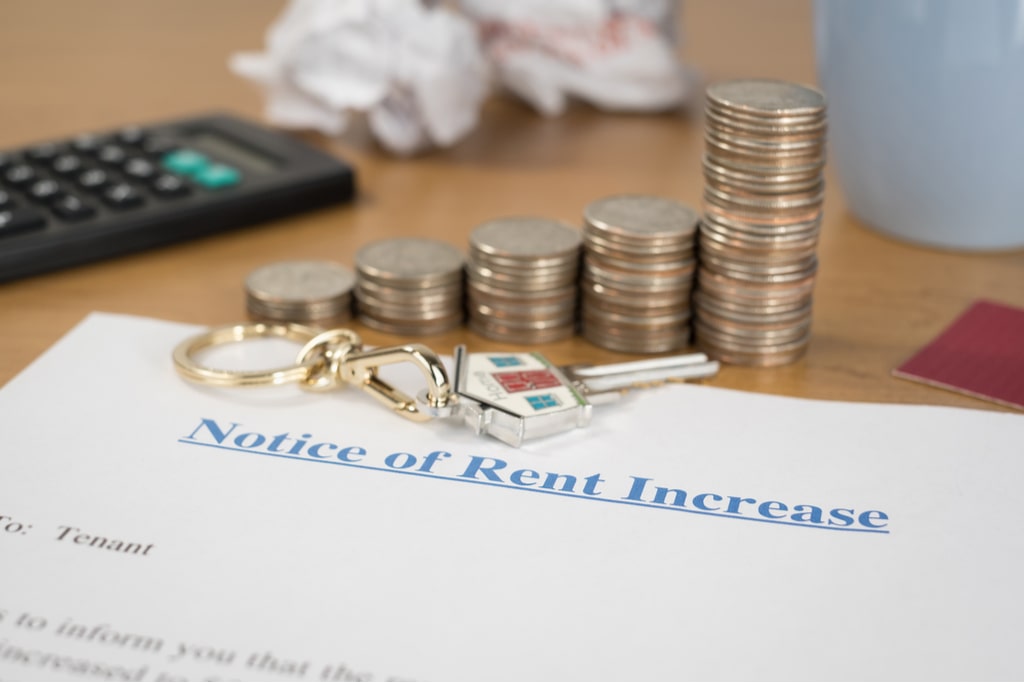
A rent increase notice is a vital communication tool for landlords during the lease renewal process. This formal document notifies tenants of an upcoming rate change and provides the necessary timeframe for them to decide whether to renew their lease.
Successfully raising the rent requires a balance of using data-back rental reports and initiating professional communication. That’s why it’s important to use a structured approach to ensure you remain legally compliant while maintaining a positive relationship with your tenants.
This article shares a rent increase notice template (with a sample), information on how and when to send your notice, and specific details to include to protect your investment.
What Is a Rent Increase Notice?
A rent increase notice is a formal written document that a landlord sends to a tenant to announce an upcoming change to the monthly rent. Beyond just a price update, this notice serves as a legal record that ensures both parties have a clear, documented timeline for the new rate.
While most commonly used during a lease renewal, this document can be used for month-to-month tenancies or when specific circumstances justify a market rate adjustment.
To remain compliant, this document should be shared either digitally or physically and must be sent with enough time to allow for negotiations — typically 30 to 60 days before the current lease term ends or the new rate takes effect. This window gives the tenant ample time to either accept the new terms or provide their own notice to vacate.
How to Raise Rent Strategically
Determining the right amount for a rent increase requires an objective look at your property’s current market value.
To price your rental accurately and justify the change, focus on these five key pillars:
- Check local rent price laws: Before looking at market data, verify if your property is subject to rent control or rent caps. Many jurisdictions strictly limit the percentage by which a landlord can increase rent annually.
- Analyze market trends and comps: Research active listings in your area that match your property’s size and condition. Use data-backed rent analysis reports to see how average rents have trended over the last six to 12 months. This baseline ensures your increase aligns with what local renters are currently willing to pay.
- Evaluate location evolution: Consider if the neighborhood has improved since the last lease was signed. The addition of new transit options, popular grocery stores, or highly-rated school districts can significantly increase the value of your location and justify a higher price point.
- Audit your unit features: If you have recently added stainless steel appliances, smart home technology, in-unit laundry, or designated parking, these premium features allow your property to command a higher rent than more basic units in the same zip code.
- Factor in seasonality: Timing influences demand — rent prices typically peak between May and August during the busy summer moving season. If your lease renewal falls during peak rental season, you may have more leverage for an increase than during the slower winter months.
Set a Competitive Rent Price in Minutes
Get local rental comps, market trends, rent price changes, and more with an Avail Rent Analysis report.
Get Started for FreeWhen Can a Landlord Raise Rent?
A landlord can typically raise the rent only at specific points during a tenancy, depending on the type of lease agreement in place:
- At the end of a fixed-term lease: For a standard one-year lease, you cannot raise the rent mid-term unless the lease explicitly allows for it (which is rare). You must wait until the current lease expires to implement a new rate for the renewal.
- With proper notice in month-to-month agreements: In periodic tenancies, landlords can generally raise the rent at any time, provided they give the tenant the legally required notice, usually 30 to 60 days.
- When an escalation clause triggers: Some long-term residential leases include clauses that allow for automatic annual increases based on inflation or a set percentage.
However, there are strict legal limits on when you cannot raise rent, such as an act of retaliation against a tenant for exercising their rights or for any discriminatory reason that violates Fair Housing.
Additionally, any increase that does not meet your state’s specific notice period requirements is usually considered invalid until the proper timeframe has passed.
When to Send a Rent Increase Notice
Rent increase notices should be sent 30 to 90 days before the current lease expires, depending on state and local legal requirements.
A 30- or 60-day window is standard in many areas, but providing notice 90 days in advance is an industry best practice that creates a buffer for potential negotiations.
This extra time allows you to finalize terms with the tenant or, if they choose to vacate, gives you a head start on marketing the property to prevent costly vacancies.
Pro tip: Always check local landlord-tenant laws before sending, as some jurisdictions require extended notice periods for significant rent hikes.
What to Include in a Rent Increase Notice to Tenants
To ensure your rent increase notice is professional and legally sound, it should clearly outline the following details:
- Identifying information: Include the tenant’s full name, the property address, and your current contact information.
- Key dates: State the date the notice was written and the exact date the new rent price takes effect.
- Financial breakdown: Clearly list the current rent, the new rent amount, and the total dollar increase.
- Lease reference: Mention the original lease agreement to clarify that the notice is a formal amendment or renewal offer.
- Response deadline: Specify the date by which the tenant must accept the new rate or provide notice of their intent to vacate.
- Signature lines: Provide dedicated space for both the landlord and tenant to sign, acknowledging the change in terms.
Rent Increase Notice Sample
“[DATE]
[TENANT NAME(S)]
[ADDRESS]
Dear [TENANT NAME],
Your existing lease is set to expire on [LEASE EXPIRATION DATE] . As of [DAY AFTER LEASE EXPIRES], the monthly rent for your unit will increase from [CURRENT RENT PRICE] per month to [NEW RENT PRICE] per month. Should you decide to renew your lease, this will be your new monthly rent
payment that’ll take effect as of [NEW LEASE TERM DATE]. However, all other aspects of the lease agreement will remain the same.
If you don’t wish to renew your lease, please provide a non-renewal lease letter by no later than [DATE] , as stated on the lease. If you have any questions on the new rent price or would like to discuss the increase, feel free to contact me.
Best,
[YOUR NAME]
How to Deliver a Rent Increase Letter
Once you have finalized the document, you must deliver it using a method that creates a verifiable record. Common delivery methods include:
- Certified mail: This is the most traditional way to prove the tenant received the notice by a specific date.
- Personal delivery: Hand-delivering the notice is acceptable in many areas, though you should bring a witness or have the tenant sign an acknowledgment of receipt.
- Digital delivery: Email provides an instant, time-stamped digital paper trail, but check if your county and state require physical mail for formal rent adjustments.
Ensure that every agreed-upon change is clearly reflected in the new rental lease agreement to prevent future disputes.
Frequently Asked Questions: Rent Increase Notice
What Is the Difference Between a Rent Increase Letter and a Rent Increase Notice?
There is no major difference between a rent increase letter and a rent increase notice; the terms are used interchangeably. Both refer to the formal written document used to notify a tenant that their rent will be adjusted on a specific date.
How Do I Communicate Rent Increases to Tenants Professionally?
To communicate a rent increase professionally, provide as much advance notice as possible and deliver the information clearly in writing.
Focus on transparency by highlighting market trends or property improvements, and remain open to a respectful conversation to maintain a positive landlord-tenant relationship.
Should a Rent Increase Letter Include a Reason for the Increase?
While not legally required in most states, including a brief reason for the increase — such as rising market rates or neighborhood improvements — can help the tenant understand the change.
Providing context often makes the adjustment more palatable and reduces the likelihood of a dispute.
Can I Email a Rent Increase Letter to a Tenant?
Yes, you can email a rent increase letter in many jurisdictions, provided your lease agreement does not explicitly require physical mail.
What If the Tenant Does Not Accept the Increase?
If a tenant does not accept the rent increase, they typically have the option to provide a non-renewal lease letter to the landlord by the end of their current lease term.
If they refuse to pay the new rate but remain in the unit after the lease expires, you may need to proceed with standard holdover tenant or eviction procedures, depending on your local laws.
Finalize Your Rent Increase With Avail
Once your tenant accepts the new rate, the most important step is documenting the change and ensuring your payment system is updated. Avail simplifies this transition by connecting your lease documents directly to your rent collection.
- Draft a new lease: Quickly generate a lawyer-reviewed, state-specific rental lease agreement that reflects the updated rent price and protects your investment.
- Automate online rent collection: Transition to online rent collection to ensure you receive your new rate on time. Set up automated reminders and track your increased rental income in real time.
- Digital convenience: Collect security deposits, move-in fees, and monthly rent through one secure, DIY-friendly app.
Create a free account to formalize your lease and start collecting rent with a platform built for professional landlords.
- Advertise your rental online
- Collect rent online and more
- Access lawyer-reviewed lease agreements